The Spiritual Philosophy of Japanese Wagashi
In Japanese food culture, Wagashi (和菓子) represents far more than a post-meal treat; it is an intimate sensory reflection of the changing seasons (Shun, 旬). Developed alongside the Edo period tea ceremony (Chanoyu), these sweets were formulated to offset the intense, astringent bitterness of freshly whisked ceremonial grade matcha.
A true Wagashi master engages all five human senses: the visual design mimics natural forms such as cherry blossoms (Sakura), autumn maple leaves (Momiji), or winter camellias; the tactile chewiness of Mochigome (short-grain glutinous rice); the delicate aroma of bamboo leaves or roasted soybean powder (Kinako); and the gentle, non-cloying sweetness derived from simmered adzuki legumes.
Ingredient Profile: Traditional Daifuku Mochi
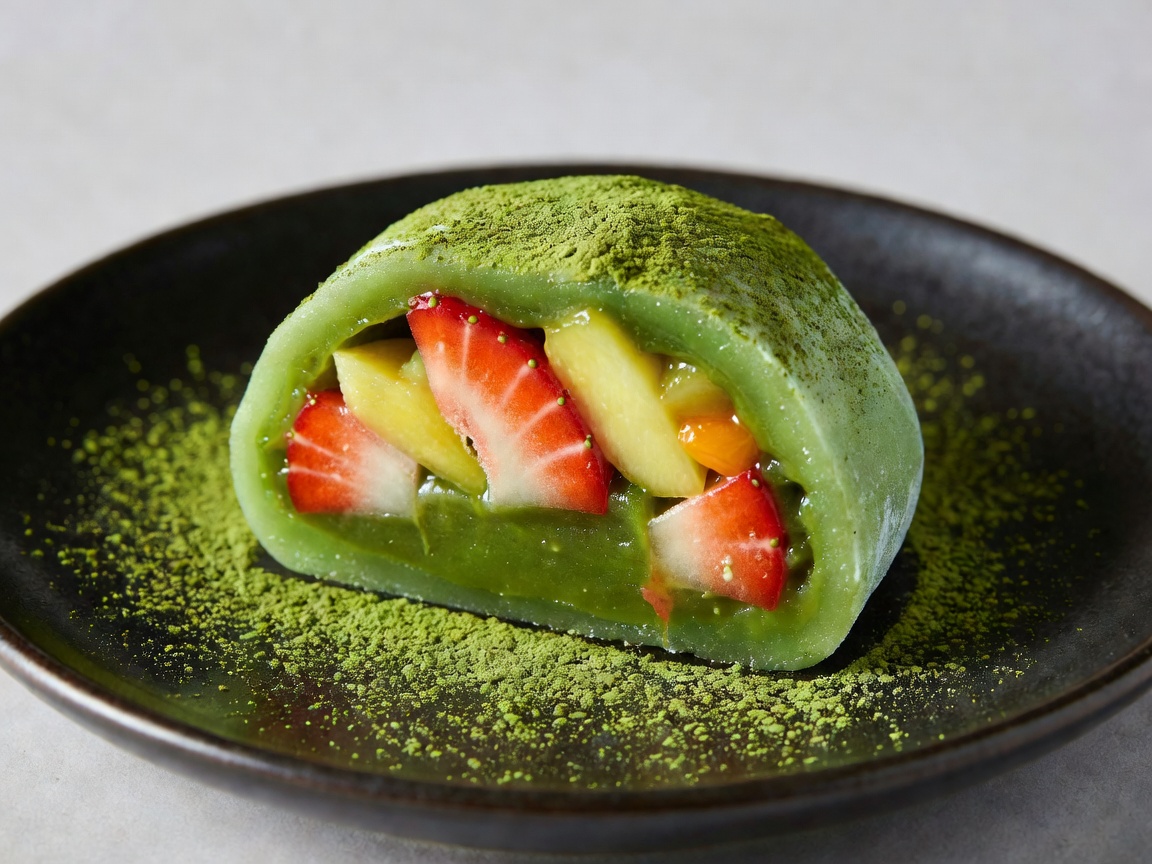
Core Components: Mochiko or Shiratamako (glutinous sweet rice flour), Japanese Granulated Beet Sugar (Jousharoutou), Hokkaido Azuki beans (Anko), Ceremonial Uji matcha, fresh winter strawberries.
Texture Profile: Soft, chewy, elastic outer mantle with a silky bean paste center.
Official Cultural Resource: Learn about traditional Kyoto sweet associations via Kyoto Confectionery Association (Official Portal).
Nerikiri: Sculpting Edible Miniature Sculptures
Among the highest echelon of Wagashi is Nerikiri, a dough crafted by blending sweetened white bean paste (Shiro-an) with a small amount of steamed mountain yam (Yamaimo) or sticky rice paste. Using specialized triangular wooden spatulas (Sankaku-bera), artisans hand-carve fine floral petals, bird feathers, and rippling water patterns in seconds without using artificial molds.
Dietary & Culinary Highlights (Pros)
- Naturally dairy-free, vegetarian, and gluten-free.
- Mild, refined sweetness that never overpowers tea.
- High cultural and aesthetic visual value.
Preparation Challenges (Cons)
- Dries out quickly; must be consumed within 24–48 hours.
- Extremely sticky during manual kneading phase.
- High-grade Shiratamako flour can be scarce internationally.
The Modern Evolution: Fresh Fruit Daifuku
In contemporary Tokyo and Kyoto patisseries, classic mochi has evolved into Fruit Daifuku. Ripe whole strawberries (Ichigo), shine muscat grapes, or juicy mandarin oranges are enveloped in a microscopic ribbon of white bean paste and wrapped in silky, cornstarch-dusted mochi skin, creating a refreshing burst of acidity and creaminess in each bite.